
Soft Flower Theory
Soft flowers do more than decorate a space, they behave differently in design than bold or structured blooms, they change the way we feel. Their curves, colours, and quietness act as gentle stimuli that guide the nervous system into calm, which is why a single bloom on a bedside table instantly changes the emotional temperature of the room. Soft flowers are associated with gentleness, renewal, tenderness and softness of self.
How flowers soothe us in design
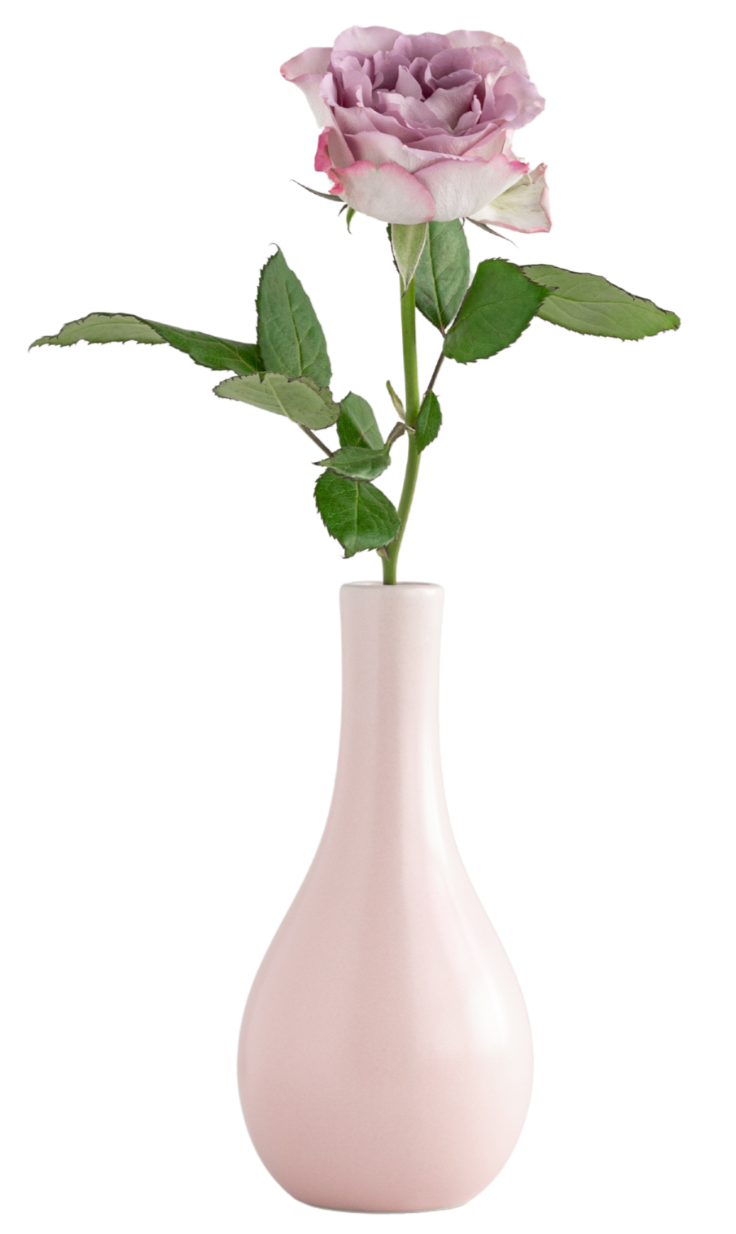
A single bloom on a bedside table instantly changes the emotional temperature of the room.
1. Petal Structure - why soft flowers feel soft
Rounded petals, layered blooms and gentle curves activate the parasympathetic system, the body’s “rest and settle” mode. The rounded edges of petals, layered forms, and organic asymmetry are instinctively comforting because they mimic natural forms.
Petals that overlap and gather in gentle layers (think roses) create a sense of abundance without feeling heavy.
Design Ideas: Choose soft rounded petals, layered in low saturation tones, to soften edges and bring soft natural form to the space.
2. Colour theory of soft florals
Petals carry colour often in low saturation tones - blush, cream, peach, soft green, muted mauve - these gentle hues behave in a way that supports our emotional self.
Peach, blush, apricot: warm, caring, human
Cream, soft white: clean, quiet, spacious
Dusty mauve, soft lavender: serene, contemplative, slow
Petals are often translucent and allow a little light to pass through them. This diffused glow creates a subtle “soft focus” effect in a room - a visual cue that calms the mind.
Design Ideas: Incorporate floral colours into the design style. A hint of colour will brighten a dull corner and soft whites will keep the space calm and spacious
3. Floral movement
Soft flowers have a natural “flow”, petals that curve, fold, open and lean towards light. In design this creates visual movement, and the soft shadows they cast add another layer of gentle motion. This subtle motion keeps a room from feeling static or heavy.
Design Ideas: Choose flowers where petals gently blend into each other to guide the eye creating a sense of movement.
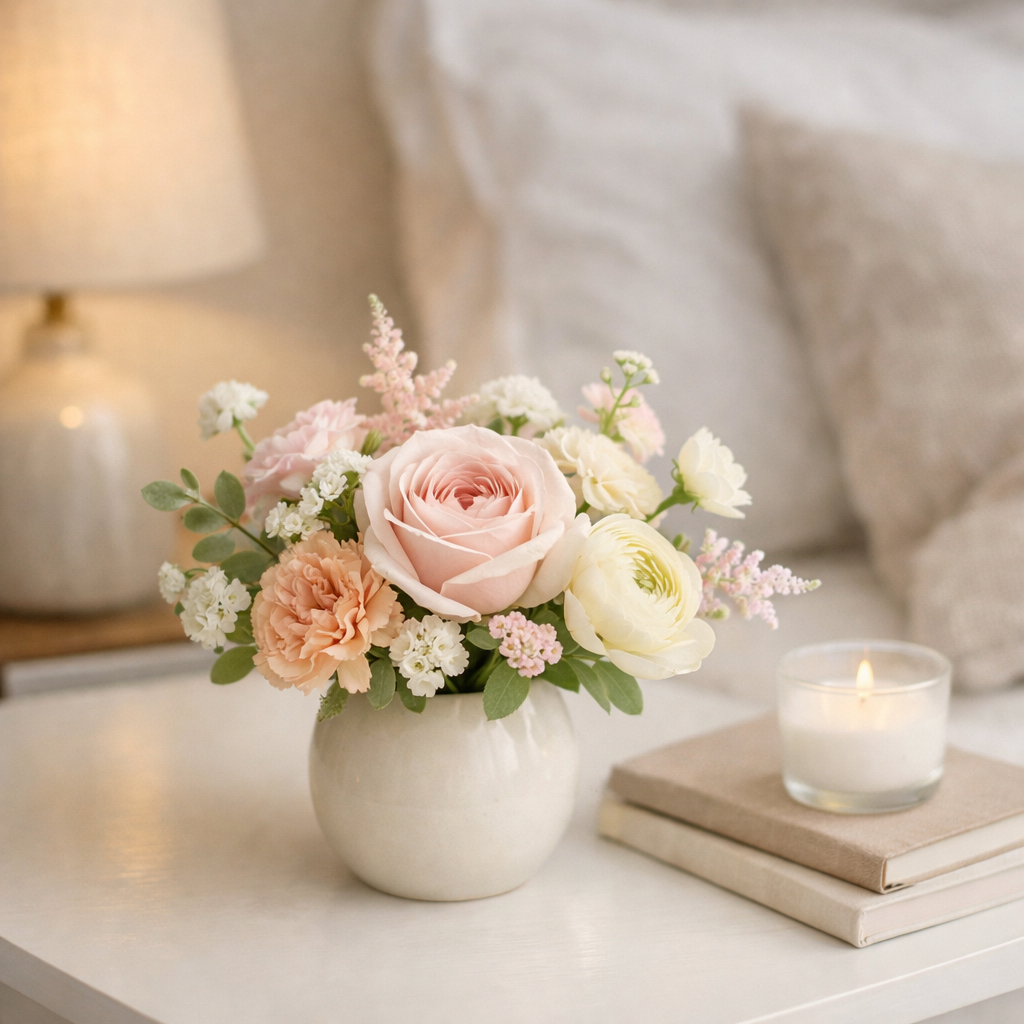
4. How soft flowers behave in a room
Soft florals don’t dominate a space. They blend, lift and lighten. They work best when the room needs warmth, a feminine palette, the space feels too hard or cold or the corner needs emotional softness.
Soft flowers trigger emotional memories of celebration, tenderness and affection. Even faux floral or floral artwork can activate this memory, creating a sense of comfort or familiarity.
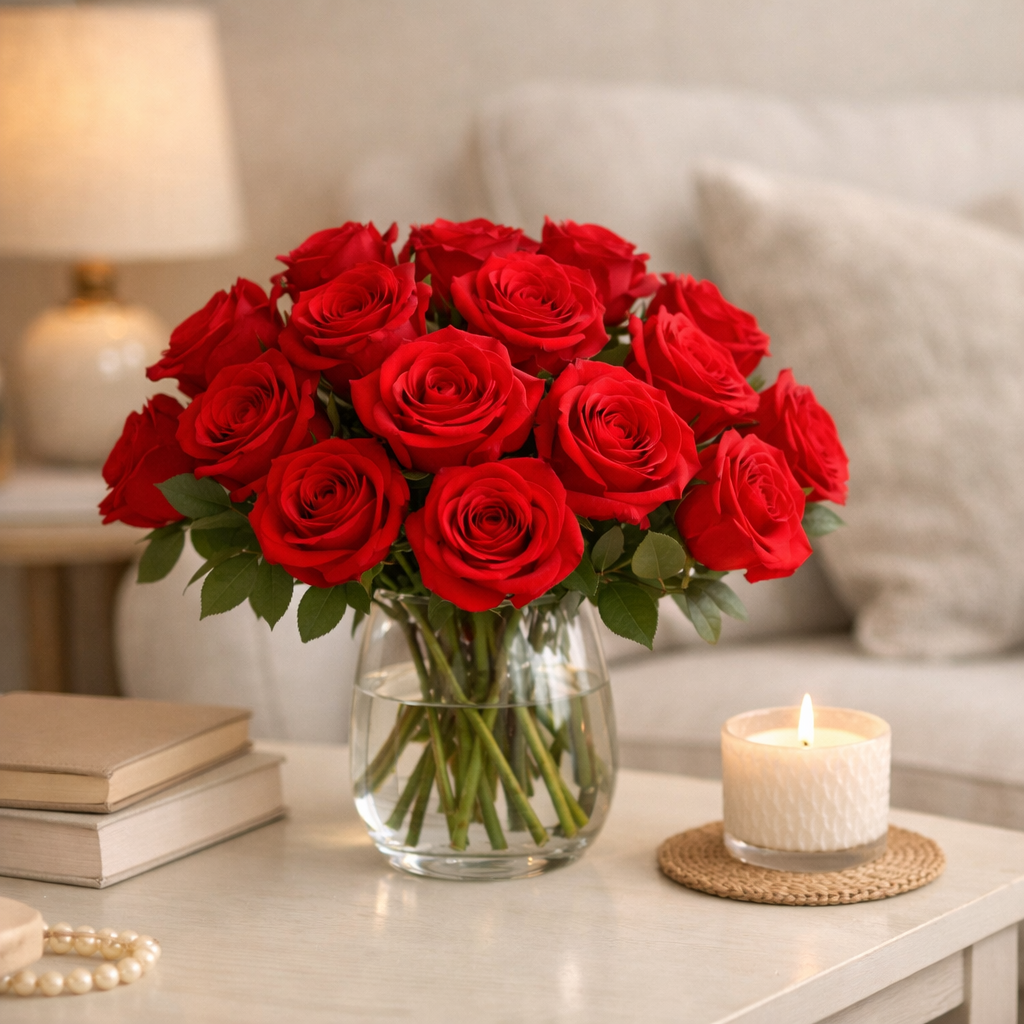
Design Ideas: Add flowers that bring emotional memories, lift the mood and bring soft gently beauty to the space. Use roses for love and passion or daisies that bring cheerfulness and joy.
5. Floral arrangements
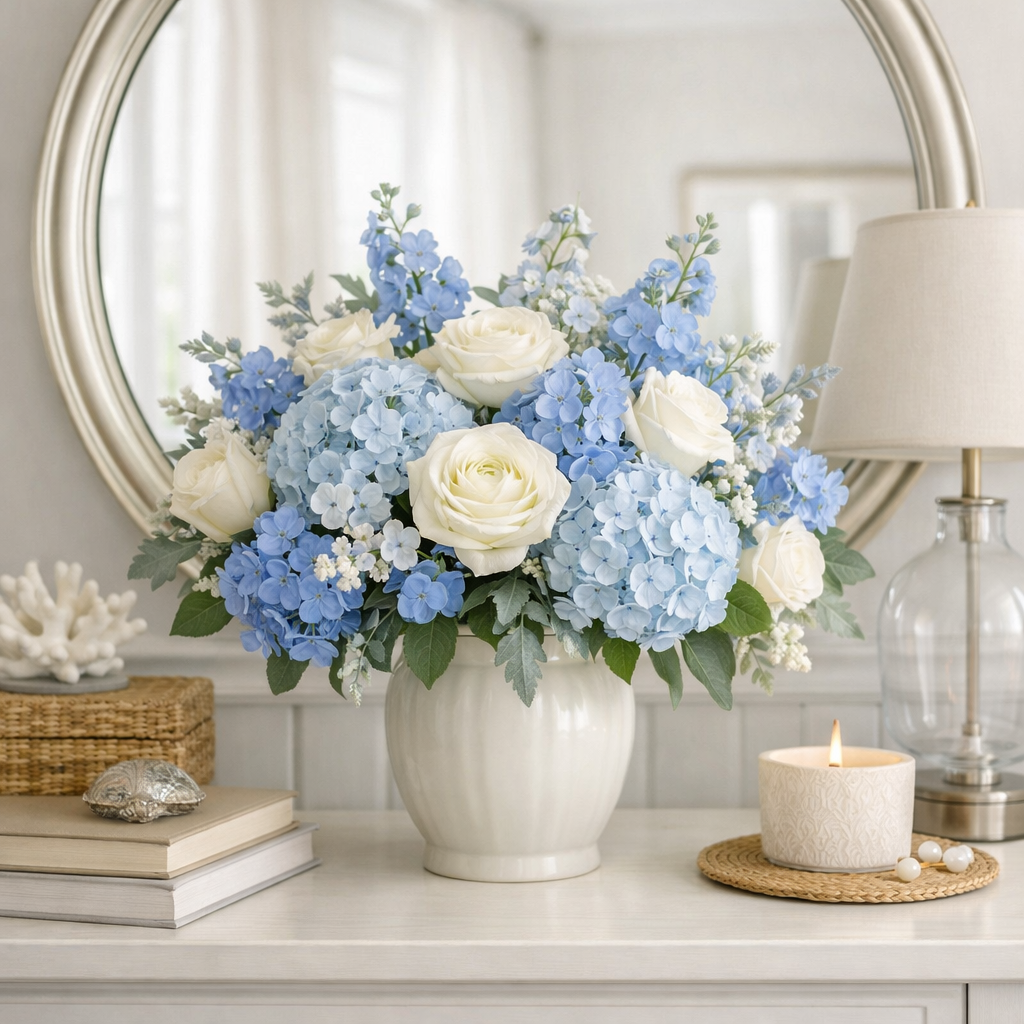
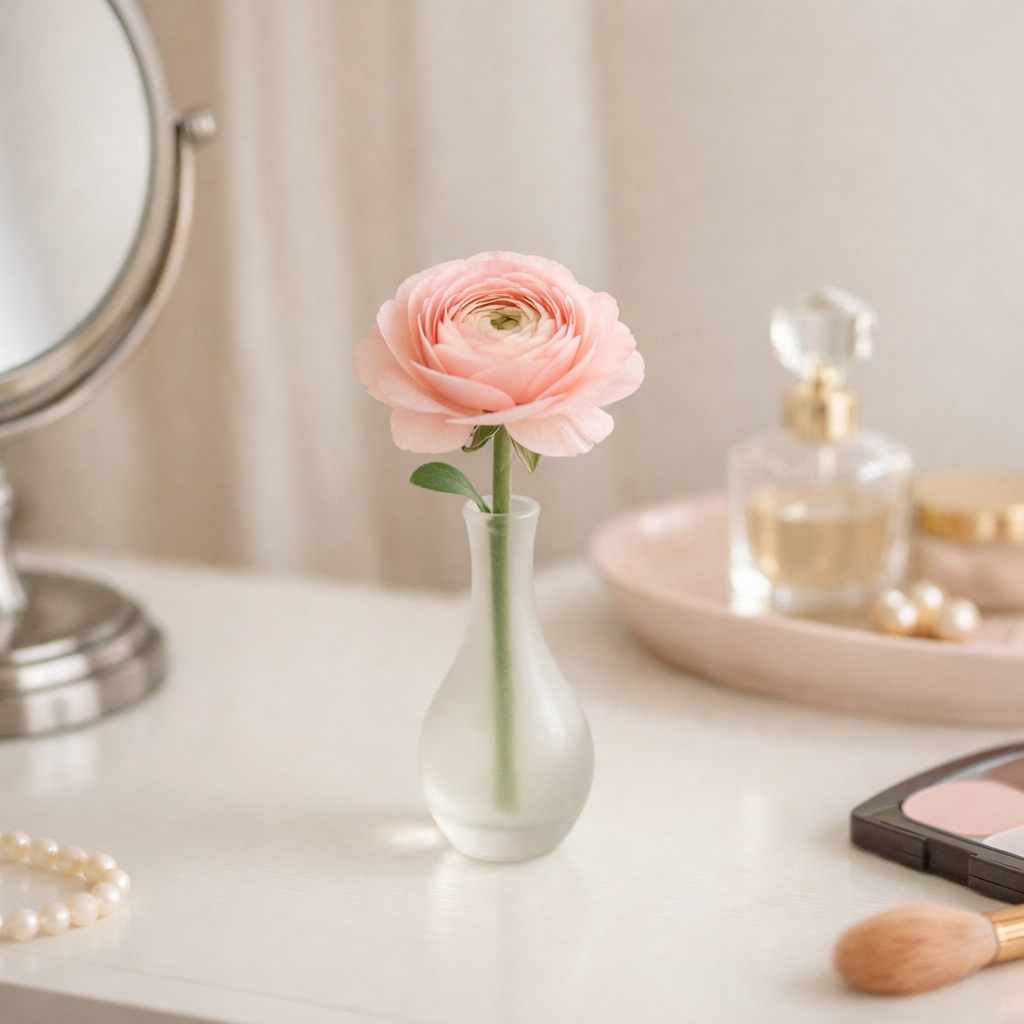
The placement and quality of the flowers also matter. A single flower represents a small, deliberate, often personal, moment, while a full bouquet brings layered colour, volume and a decorative presence into a room. Even presenting a flower upside down can signal closure and suggest a “soft surrender”.
Design Ideas: Let the placement and quality of flowers act as a design effect, carrying emotional and symbolic cues that guide the feeling you’re trying to create in the room.